What is ceiling work? +
Ceiling work refers to any repair, resurfacing, or refinishing task performed on a ceiling surface. This includes crack and hole patching, popcorn or texture removal, skim coating to create a smooth finish, texture reapplication, stain treatment after water intrusion, and repainting. The scope can range from a single small patch to stripping and refinishing an entire home's ceilings as part of a larger renovation.
What is the average cost to install or repair a ceiling? +
Cost varies significantly based on the type of work, ceiling height, square footage, and surface condition. Basic patching on a small area is a fraction of what full popcorn removal with skim coating and repainting across an open floor plan would run. Texture matching and skim coating are labor-intensive and reflect accordingly. Every job is different. Contact Prestige WallWorX for an accurate estimate based on your specific situation.
Is replacing or refinishing a ceiling a big job? +
It depends on scope and condition. A straightforward repaint with minor prep work moves quickly. Popcorn removal followed by skim coating, priming, and painting on a large square footage is a multi-day process done right. Ceiling work that involves drywall replacement, joint retaping, or multiple coats of compound to correct prior patch jobs takes longer. Rushing any of these stages is how you end up with a ceiling that looks fine at first and fails in a year.
What are the three types of ceilings? +
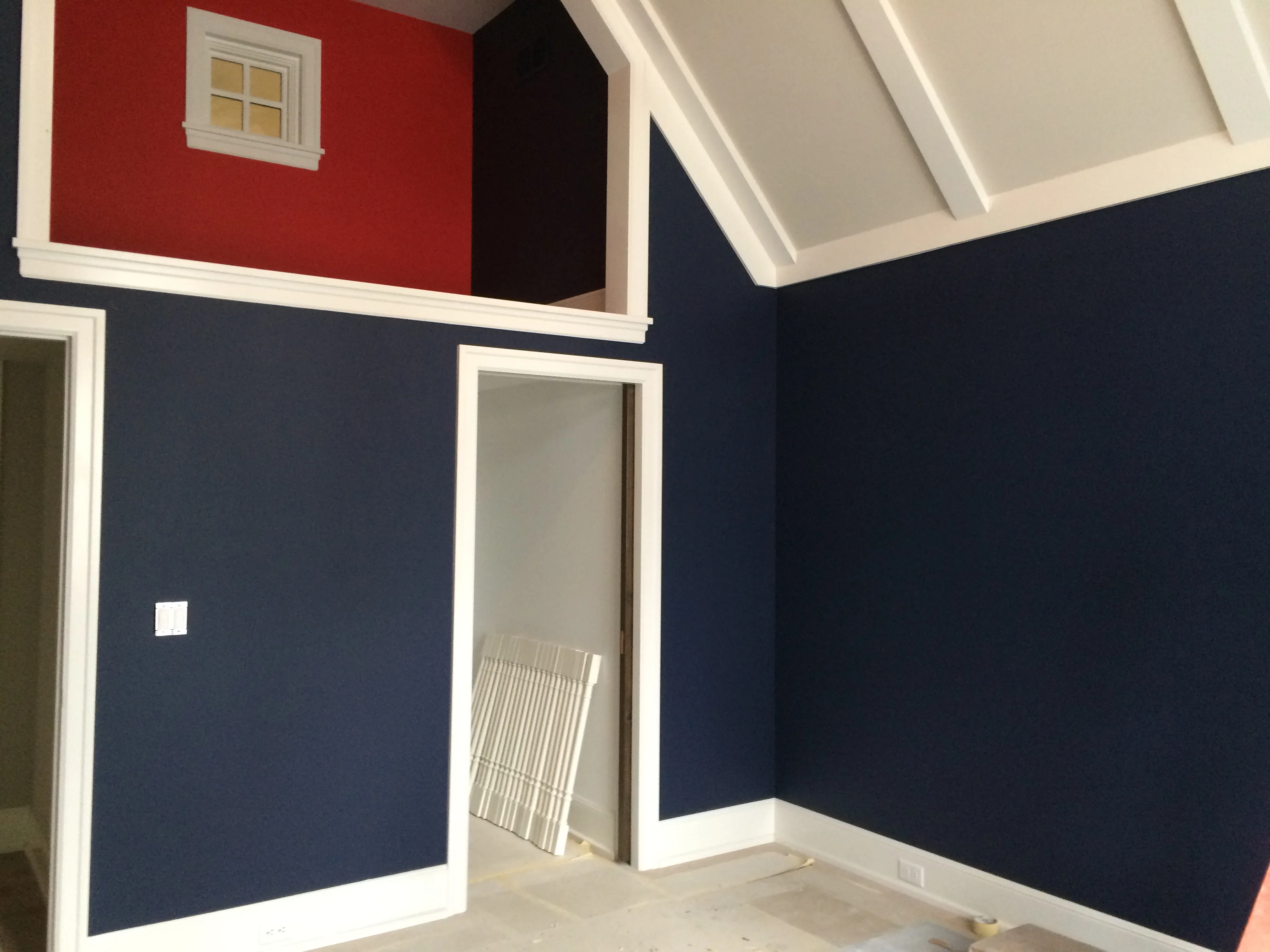
The three main ceiling categories are flat or smooth ceilings, textured ceilings, and specialty or architectural ceilings. Smooth ceilings require precise skim coating and application since imperfections show under raking light. Textured ceilings include patterns like knockdown, orange peel, skip trowel, and popcorn, each with different application and removal methods. Architectural ceilings include coffered, tray, vaulted, and beamed designs that require custom approaches for both prep and painting.
How do you match an existing ceiling texture when patching? +
Texture matching requires identifying the original technique, whether it was applied by sprayer, hand trowel, or roller, and replicating both the pattern and the build thickness. Spray textures like knockdown and orange peel are matched by adjusting air pressure and material viscosity. Hand-applied textures like skip trowel require practice and judgment. Even with good matching, lighting angle can reveal patch edges, which is why feathering the repair well beyond the damaged area produces better results than a tight patch.
Does popcorn ceiling texture in older Twin Cities homes contain asbestos? +
Potentially, yes. Popcorn ceiling texture applied before 1980 commonly contained asbestos fibers, which were added for fire resistance and durability. Homes built in Minnesota during the 1950s through late 1970s should have texture samples tested by a certified lab before any scraping or removal begins. Disturbing asbestos-containing material without proper containment creates a health and liability risk. We advise clients on this during our initial assessment before any removal work starts.
Why does my ceiling crack keep coming back after I patch it? +
Recurring cracks almost always mean the underlying drywall tape has failed, not just the compound layer above it. If you skim over failed tape without removing and replacing it, the compound cracks again as the tape continues to separate. Cracks that run directly along seams are the most common indicator. Settlement cracks in older homes may also reflect seasonal movement in the structure, which requires a flexible joint treatment rather than rigid compound alone.
What is the difference between ceiling refinishing and popcorn ceiling removal? +
Ceiling refinishing is the broader category: it covers skim coating a surface smooth, repairing cracks and water stains, matching or reapplying texture, and repainting. Popcorn removal is one specific job that often kicks off a refinishing project, because once the texture is scraped off you still have to skim, prime, and paint the bare drywall before the ceiling looks finished. If your only goal is to get rid of the popcorn, start with our dedicated popcorn ceiling removal service; if the ceiling also has cracks, stains, or a surface you want made flawless, that's a full refinishing job.
Can you refinish both plaster and drywall ceilings in older Twin Cities homes? +
Yes, and the approach is different for each. Plaster-on-lath ceilings, common in pre-1960 homes around Victoria, Minnetonka, and Excelsior, have to be checked for loose sections where the plaster keys have let go of the lath before any refinishing begins; skimming over a failing plaster surface just delays the problem. Drywall ceilings from 1960s and 1970s split-levels and ramblers refinish more predictably but crack along the original taped seams, which have to be cut out and retaped rather than filled. We identify the substrate on-site so the prep matches what's actually up there.