
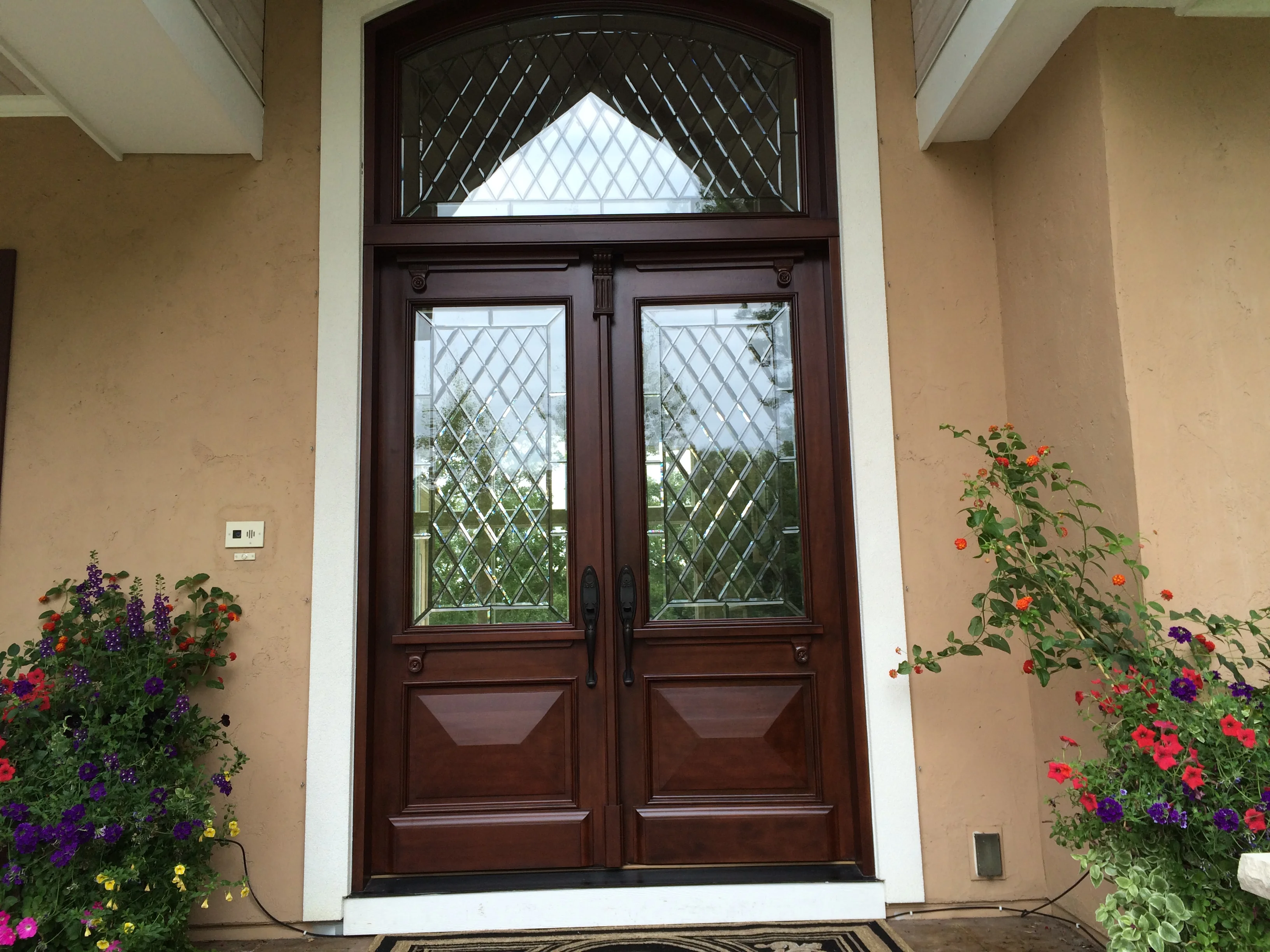
Woodwork Enameling That Holds Up to Daily Use
Woodwork enameling for cabinets, trim, doors, and railings. Hard, durable finish that outlasts standard paint. Free estimate from Prestige WallWorX.
- 5.0 ★ · 104 Google reviews
- Serving the Twin Cities for 16 Years
- Free, No-Pressure Estimates
Why Choose Prestige WallWorX
Interior enameling puts a hard, glossy, chip-resistant finish on the woodwork you touch every day: trim, doors, railings, casing, base, and wainscoting. It's dramatically more durable than the standard latex on your walls, because enamel cures to a tougher film that shrugs off scuffs, hand oils, and the moisture that swells and cracks ordinary paint. Prestige WallWorX has been delivering that finish across the Twin Cities metro for 16 years, with the prep work and product knowledge that actually makes it last. Call (612) 419 2789 and we'll walk you through what's right for your project.
One quick scope note so you land on the right page. This page covers interior enameling on trim, doors, railings, casing, and other long linear runs of millwork. If your project is kitchen cabinetry or built-in millwork, our custom enameling service handles that factory-finish cabinet work. The prep and application differ enough that we treat them as separate scopes, and it matters in Twin Cities homes: the deep original casing and crown in older Minneapolis and St. Paul houses ask for a different approach than the paint-grade cabinetry common in newer builds out in Chanhassen and Chaska.
The technique of interior enameling isn't just about the topcoat. It's about surface prep: sanding, priming, filling imperfections, and sealing the grain before a single drop of enamel goes on. Skip those steps and the finish peels inside a year. Do them right and you're looking at a surface that holds its sheen for a decade. Cost drivers on an interior enameling job include the linear footage of trim, the number of doors and their current condition, whether existing paint needs stripping, and whether the project calls for oil-based or water-based enamel. Every job is different, contact Prestige WallWorX for an accurate estimate.
Where Enamel Paint Makes the Most Difference
Enamel paint is considerably stronger than standard paint being utilized on a wall. The strength of enamels makes them ideal for surfaces that absorb daily contact and heavy traffic. Kitchen cabinets take the most abuse of any surface in a home, which is why cabinet painting with a proper enamel finish is a different job entirely from rolling flat paint on a bedroom wall. Bathroom vanities, stair risers, base and casing, stair railings, wainscoting, chair rails, and interior doors all benefit from enamel's hardened topcoat. Anywhere hands touch, feet scuff, or moisture collects, enamel outperforms. That's not a preference, it's material science.
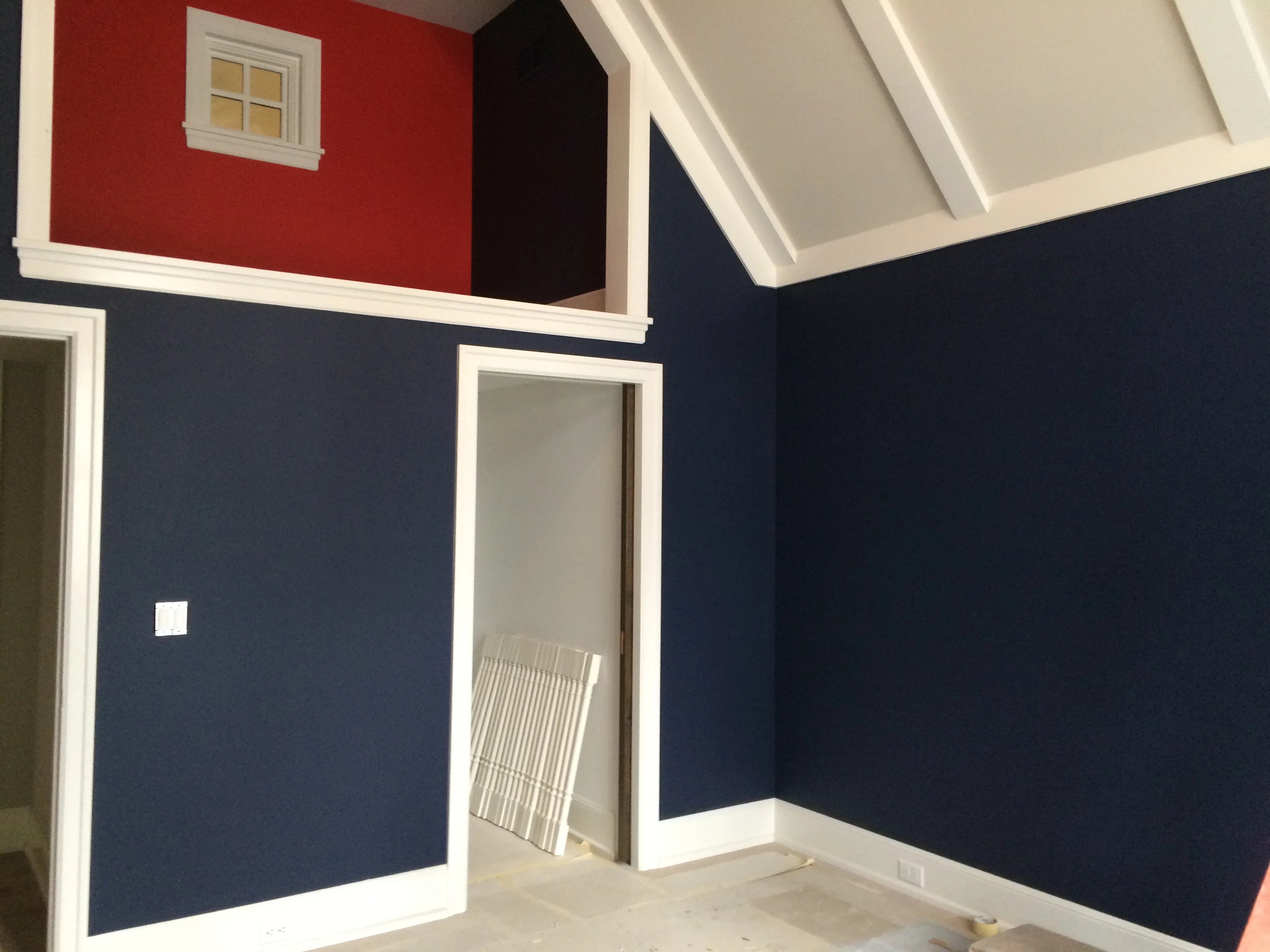
Interior Enameling on Trim and Doors
Interior enameling shines brightest on trim and doors, the two surfaces that see the most contact in any Twin Cities home. Standard wall paint on a door jamb chalks and marks within a season of hands, shoes, and pet traffic. Enamel doesn't. It cures to a harder film that wipes clean and resists the chips that flat and eggshell paints pick up along every edge. On casing and baseboard, that hardness matters even more, because base takes vacuum knocks, foot scuffs, and mop water that ordinary paint can't survive. We enamel interior doors on both faces plus all six edges so the finish reads uniform whether the door is open or closed. For deep original trim in older Edina and St. Louis Park homes, matching sheen across long runs is the real craft, and it's why we tune application to each surface rather than rolling one product everywhere. Want a straight answer on your trim and doors? Call (612) 419 2789.
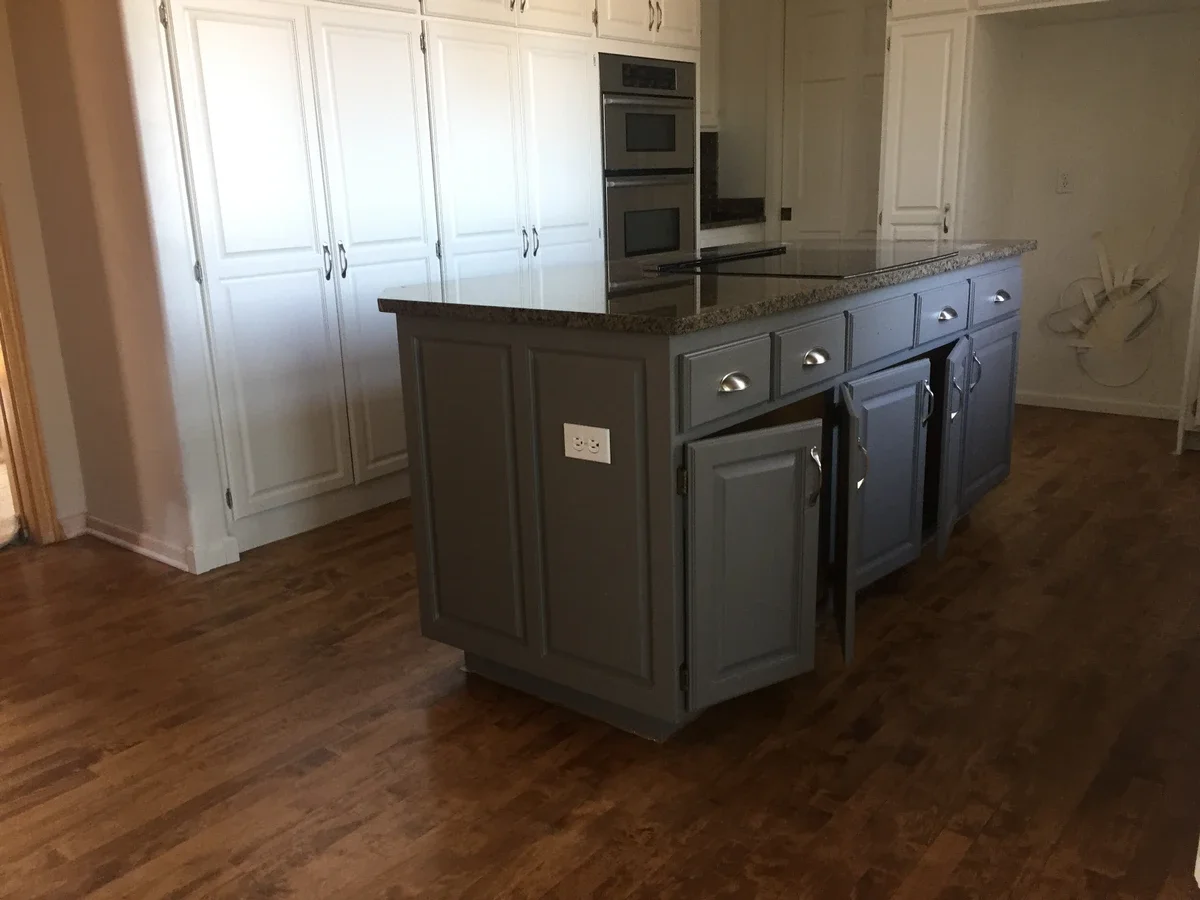
Enamel Paint vs. Regular Paint: What's the Difference
Enamel paint and regular wall paint are built for different jobs, and putting the wrong one on your woodwork is the most common reason a finish fails early. Regular latex is formulated to cover large flat areas fast and cheap. It stays slightly soft, which is fine on a bedroom wall nobody touches. Enamel is engineered to cure hard, so it holds up to the daily abuse trim, doors, and railings take. That hardness is why an enamel finish on interior woodwork holds up 8 to 15 years, while standard paint on the same trim starts marking and chipping in one to two. Enamel also self-levels as it flashes, leaving a smooth surface without the brush ridges regular paint telegraphs. The tradeoff is time and prep: enamel is unforgiving of shortcuts and needs proper priming, sanding between coats, and full cure time. On a wall, that effort is wasted. On woodwork you touch every day, it's the whole point.
Our Work: Woodwork Enameling Projects
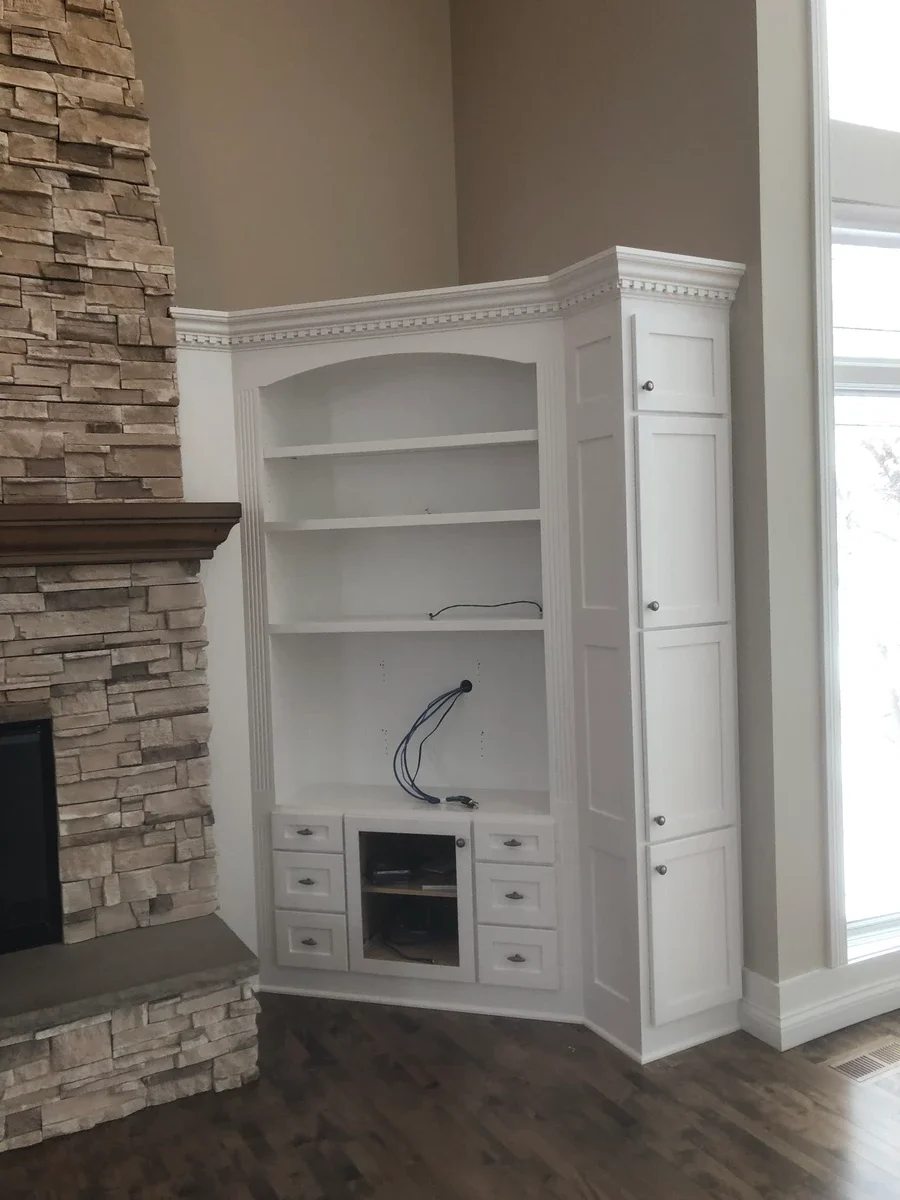
A selection of completed woodwork enameling projects across the Twin Cities metro, from full trim packages to single-room door and cabinet refinishes.
Imagine what we could do for your home.
Call (612) 419 2789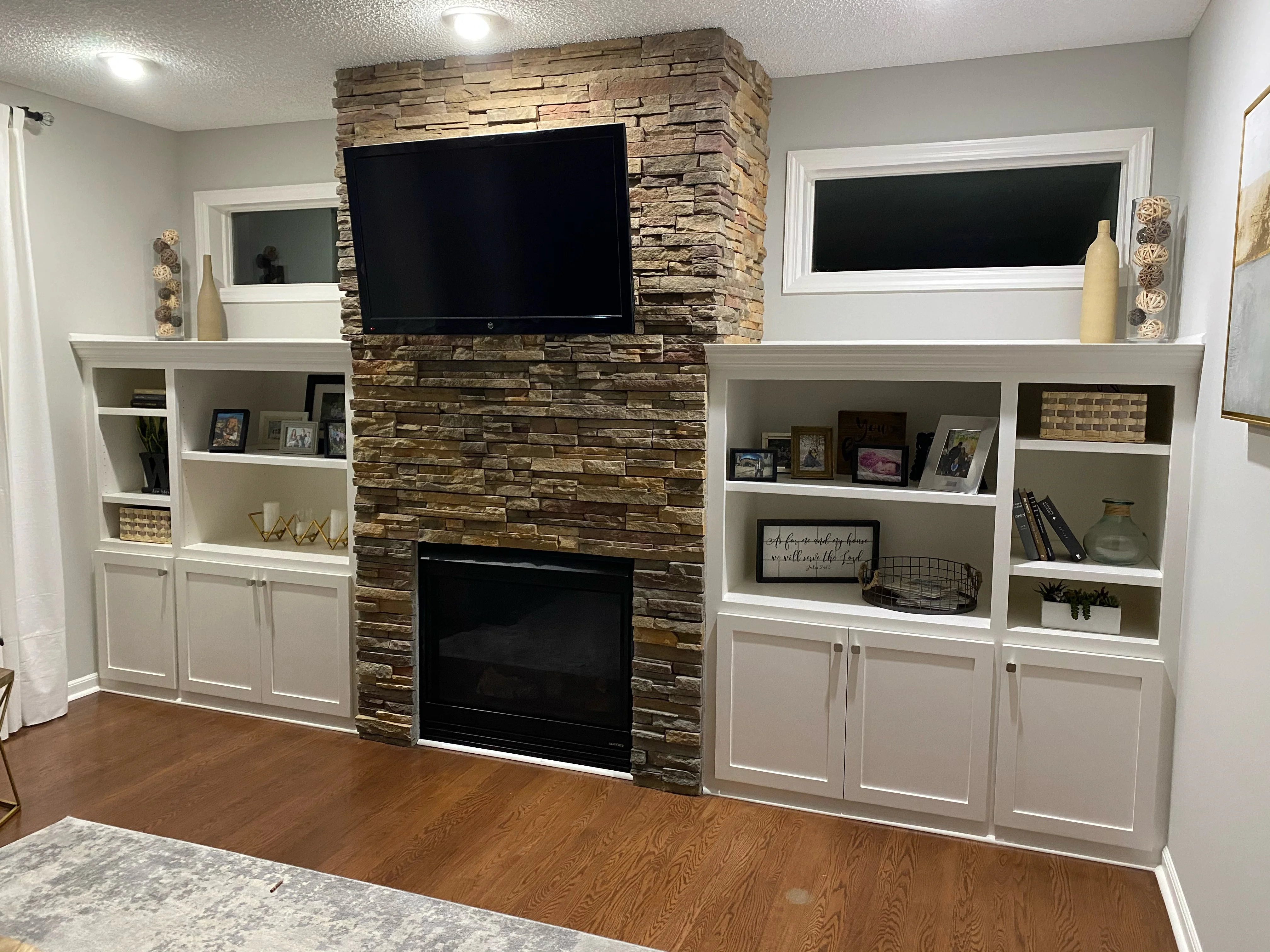
Water-Based vs. Oil-Based Enamel: Which One Belongs on Your Woodwork
Applying enamel paint on wood empowers the paint to last longer, giving the surface a hard, glossy, and durable finish. Since enamels are available in an expansive spectrum of colors and can be both water-based or oil-based, selecting the correct formulation for the project is essential, not optional. Water-based enamels are easier to work with, dry faster, and clean up with soap and water. They're a smart call for interior trim in occupied homes where ventilation is limited and re-entry time matters. Oil-based enamels last longer, giving the surface a smoother luminous texture, and they self-level better on flat cabinet faces and raised-panel doors where brush marks would otherwise show. For interior painting projects that include woodwork, we assess the substrate, the finish goal, and the project timeline before recommending one over the other. Honestly, most online guides oversimplify this choice. The substrate's porosity and the existing paint system underneath matter just as much as the product on the can.
How We Prepare Woodwork Before Enamel Goes On
Prep is where most DIY enamel jobs fall apart. The process starts with a thorough inspection of the existing surface: checking for peeling, checking for moisture damage (which we'd address through water damage repair before any finish work), and noting any areas where grain has telegraphed through previous coats. From there, we sand to a consistent profile, apply a bonding primer appropriate to the substrate, fill any voids, and sand again. Only after that does enamel go on. We typically apply two finish coats with a light sand between them for surfaces that require a glasslike result. The entire sequence takes longer than slapping on a single topcoat. It also produces a finish that doesn't peel off a cabinet door in two winters.
What Sets Professional Woodwork Enameling Apart from Store-Bought Kits
The cheap option almost always costs more by the time you call us to fix it. Consumer-grade enamel products sold in hardware stores are formulated for convenience, not longevity. Professional-grade enamels we utilize have higher solids content, better adhesion chemistry, and a cure hardness that consumer products don't match. Beyond product selection, the application method matters. Spraying versus brushing versus rolling each produce a different film build and a different surface texture. For custom enameling work on detailed millwork, spraying often delivers the most uniform result. For field-applied trim in a finished room, a properly conditioned brush in skilled hands produces a finish that's indistinguishable from spray work. Sixteen years of experience means knowing which method suits the job, not defaulting to one approach for everything.
Woodwork Enameling Service Areas
Prestige WallWorX serves the
, including Bloomington, Burnsville, Chanhassen, Chaska, Eden Prairie, Edina, Golden Valley, Hopkins, Maple Grove, Minnetonka, Minnetrista, Plymouth, Richfield, Savage, Shakopee, Shorewood, and St. Louis Park. Not sure if we cover your area? Call [(612) 419 2789](tel:+16124192789).
Call (612) 419 2789Loved by Twin Cities Homeowners
“Gene and his crew did an absolutely spectacular job with our renovations. The communication, diligence, and care was unsurpassed - from the initial discussion to the final cleanup. Gene and his team delivered everything in the scope that was asked, at an unquestionable level of quality, and went beyond the call. We…”

Ziad Lindsay-Qureshi
Verified Google review
“We reached out to Gene to help paint our cabinets, and he went above and beyond. He helped coordinate the entire kitchen facelift process. Gene gave us several options for the cabinet preparation /finish, and we elected to go with the full grain filler process. It was 100% worth the cost and time. The end result is…”

Adam Skare
Verified Google review
“Gene and his team helped wallpaper our powder bathroom and did an amazing job. He turned a builder grade home into a custom work of art and we couldn’t be happier. Gene was responsive, transparent and a joy to work with!”

Anne Bushey
Verified Google review
“We recently used Prestige WallWorX to paint our entire house prior to moving in. From the moment I reached out to Gene for a quote he was professional, organized, prompt and easy to work with. Before, during and after the job he was in regular contact with updates and ideas. The project ended up being bigger than we…”

Ellen Poeschl
Verified Google review
“Gene was prompt with his response to all of our questions, and was openly communicating through the entire project. He was adaptable and understanding when we had to delay our project by a week last minute. The quality of work is outstanding, him and Andrew helped us progress in our home renovation projects at an…”

J c
Verified Google review
Common Questions About Woodwork Enameling
Answers to the questions we hear most often about enamel finish work on wood surfaces.
Can you enamel on wood? +
What is the technique of enameling? +
How do you do enamelling? +
Can you enamel on bronze? +
How long does an enamel finish on woodwork actually last? +
Should I use oil-based or water-based enamel on my woodwork? +
What is the difference between enamel paint and regular paint? +
Frequently Asked Questions
Can you enamel on wood? +
What is the technique of enameling? +
How do you do enamelling? +
Can you enamel on bronze? +
How long does an enamel finish on woodwork actually last? +
Should I use oil-based or water-based enamel on my woodwork? +
What is the difference between enamel paint and regular paint? +
Get a Woodwork Enameling Estimate
Prestige WallWorX has been finishing woodwork across the Twin Cities metro since 2010. If your trim, cabinets, or doors need a durable enamel finish that holds up, call (612) 419 2789 or reach out online. We don't subcontract. The professional you speak with is the professional who shows up.
Call (612) 419 2789Request your free quote