
Can You Paint Over Rotted Wood? (And Why You Should Repair First)
Can you paint over rotted wood? No. Paint seals moisture in and the finish fails at the rot line within a season. Gene explains how to tell rot from weathering and when to repair first. Call (612) 419-2789.
- 5.0 ★ · 104 Google reviews
- Serving the Twin Cities for 16 Years
- Free, No-Pressure Estimates
Why Choose Prestige WallWorX
Can you paint over rotted wood? No. Paint seals moisture in and the finish fails at the rot line within a season. Gene explains how to tell rot from weathering and when to repair first. Call (612) 419-2789.
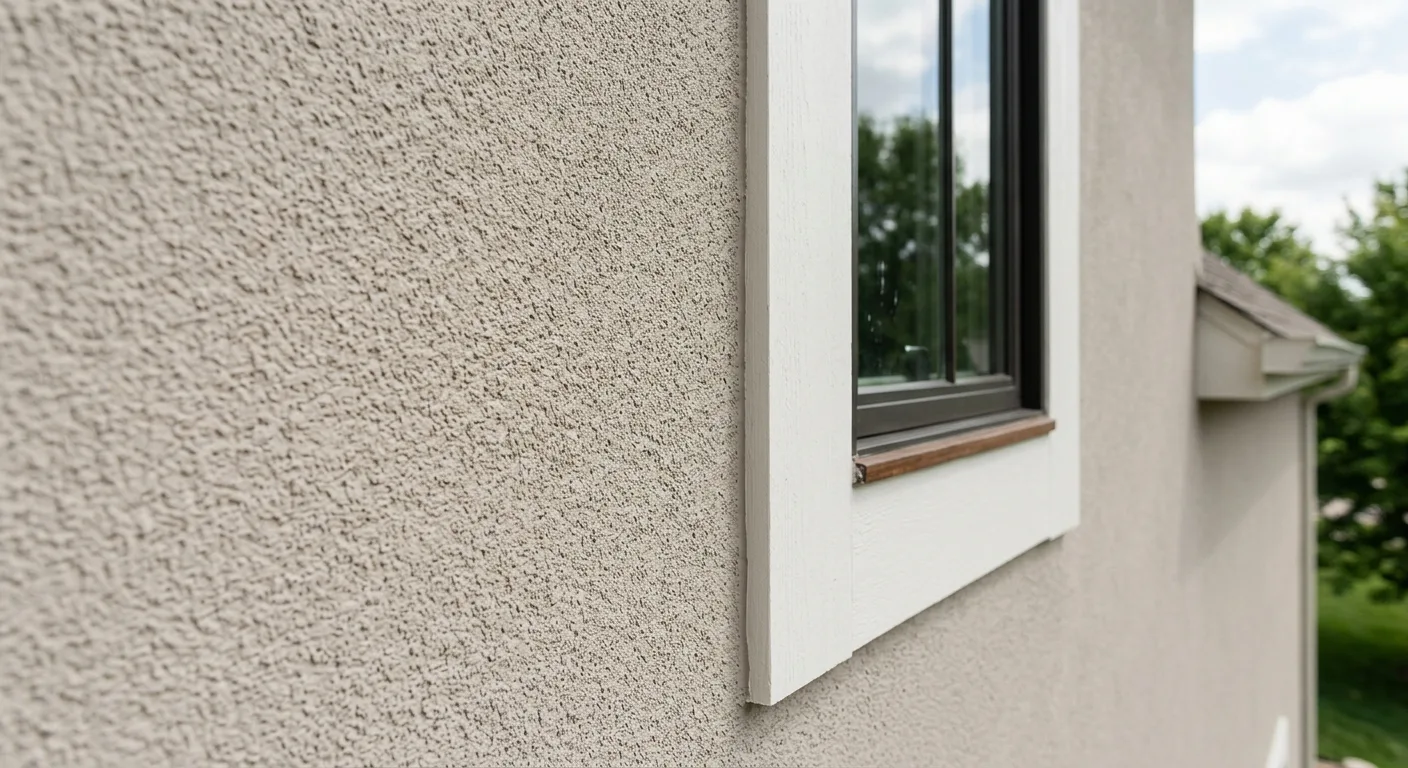
Can you paint over rotted wood? No, and I will give you the straight version that most of the internet dances around: paint does not stop rot, it hides it, and in our climate it makes the rot worse. A coating seals moisture against the wood instead of letting it dry, the soft fiber keeps breaking down underneath, and the finish fails right at the rot line within a season. After 16 years finishing exteriors across the southwest metro out of Victoria, painting over soft wood is the single most common DIY exterior failure I get called back to fix. The honest fix is to cut out and replace the punky wood, or stabilize minor surface checking, before a drop of primer goes on. Prestige WallWorX does the inspection free, and if your trim is sound we will tell you that too.
Can you paint over rotted wood?
No. Paint is a moisture-management layer, not a structural one. Rot is wood that fungus has already digested, so the fibers no longer hold together, and nothing you brush on top restores that strength. Worse, in the Twin Cities our freeze-thaw cycling, dozens of swings between hard frost and thaw from November through April, drives water into any bare or soft wood and then expands it as ice. Seal that wet, rotting wood under a fresh coat and you trap the moisture it needs to keep rotting. The paint blisters and peels right where the wood went soft, usually within the first full winter. That peeling-at-the-rot-line pattern is how we spot a painted-over repair from the driveway before we even get up on the ladder.
How to tell if exterior wood is rotted or just weathered
Press a flat screwdriver into the suspect spot with normal hand pressure. Weathered wood is gray, dry, and firm, it resists the tip and the surface fiber is just sun-damaged. Rotted wood is soft, spongy, or crumbly, the screwdriver sinks in or the fiber flakes away in punky chunks, and it often smells musty. The two problems need opposite treatments, which is why this test matters before you buy any paint.
Weathering is a surface condition. Gray wood is UV-damaged fiber on the outside of an otherwise sound board, and once it is cleaned, sanded, and primed it paints up fine. Rot goes to the core. The places it hits first on a Minnesota house are predictable: the bottom ends of trim and fascia where water sits, soffit corners that stay shaded and damp, window casings and sills under failed caulk, and any siding behind a dripping gutter.
The screwdriver tells you the whole story. If the tip bounces off, it is weathering and you prime it. If the tip sinks in, it is rot and you replace it. Paint over the second one and you are buying yourself a callback.
There is a middle case worth naming. Minor surface checking, those fine lengthwise cracks in older trim, and light surface greying are not rot. That wood is stable. We sand it, spot-prime the bare spots, and it holds a finish for years. The line we draw is simple: if the fiber is still sound under the surface, it gets prepped and painted. If the screwdriver finds soft wood, that section comes out.
What happens if you paint over rotted or soft wood
Three things happen, in order, and I have watched all three play out on homes a previous painter or a weekend project rushed. First, the finish fails fast. Paint cannot bond to fiber that is already breaking apart, so it peels, blisters, and flakes off the rotted section while the sound wood next to it still looks fine. That uneven failure is the tell.
Second, the rot accelerates. The coating traps the moisture that fungus feeds on, and our freeze-thaw keeps pumping water in behind it, so the soft wood you covered up spreads faster than if you had left it bare. You bought time and lost ground.
Third, and this is the expensive one, the damage moves where you cannot see it. Rot in a fascia board travels into the roof framing behind it. Rot at a window sill travels into the wall. By the time the paint tells you there is a problem, the repair is bigger than the trim board you painted over. That is the moment homeowners call us, and when rot has already spread behind the surface it stops being a paint job and becomes water damage repair where we open up the affected area and rebuild it right.
Repair vs replace rotted trim before painting
Here is the decision we actually use on site. If the screwdriver finds soft wood, that wood comes out, full stop. You cannot repair your way around fiber that has lost its structure. For a rotted fascia board, a punky trim run, or a soffit corner, replacement of the affected length is the honest fix, and we scarf in sound material, prime all six sides of the new piece, and then paint. Priming the back and ends of replacement trim is the step that makes it last out here, because that is where water re-enters.
So what is the "repair" side of the line? It is for sound wood with cosmetic or minor issues, not for rot. Minor surface checking gets stabilized and filled. Small, isolated soft spots in otherwise solid material can sometimes be consolidated with an epoxy system and rebuilt, which is a legitimate fix on a detailed piece like a decorative casing you would rather not remake. But epoxy is for localized damage in a board that is still mostly sound, not a license to fill a fascia that has gone soft end to end. When more than a small fraction of a board is punky, replacing it is cheaper and lasts longer than chasing rot with filler. We walk every exterior and show you exactly which boards are sound, which get repaired, and which get replaced, as part of our exterior painting with proper surface prep and bare-wood priming. Want a straight read on your trim? Call (612) 419-2789 and we will come look.
Why this is the DIY exterior mistake we fix most
Almost every exterior repaint we are called in to rescue has the same root cause: someone painted over wood that was not ready, and most of the time the wood was already soft. It is an easy mistake to make, because a fresh coat genuinely looks great the day it goes on. The problem shows up the following spring. The sun-facing and ground-level trim, the exact spots that rot first, are the exact spots that peel first, so the failure clusters low on the house and around the windows where water has been sitting.
The fix is never another coat. Covering a peeling, rotted board with fresh paint just restarts the same clock on a board that is now further gone. The fix is to strip back to the damage, replace the soft wood, prime the bare material properly, and then paint. Done in that order, in the right season, an exterior finish holds for years out here. Done out of order, it fails by the next thaw. If you are staring at peeling trim and are not sure whether it is a paint problem or a wood problem, that is exactly the walk-through we do for free. Request a free estimate or call (612) 419-2789.
Do I really need to replace the whole board, or just the rotted end?
Usually just the affected section, not the whole run. On a long fascia or a trim board where only the bottom foot has gone soft, we cut back to sound wood, scarf in a matched replacement piece, prime all sides, and blend the finish so the repair disappears. Replacing only what is actually rotted keeps the cost down. The one thing we will not do is leave soft wood in place because removing it is inconvenient, because that is the spot the whole repair fails from next winter.
Can I just use wood filler or a wood hardener on soft spots?
For truly rotted wood, no, filler is not a structural fix and it will not stop the decay underneath it. Wood hardeners and epoxy consolidants have a real, narrow use: stabilizing minor soft spots in a board that is otherwise sound, like a small punky area on a decorative casing worth saving. They are not a way to rescue a fascia or sill that has gone soft across its length. The test is honest and simple, how much of the board is still solid. Mostly sound with one small soft area, epoxy can work. Soft through a large section, it gets replaced. We make that call board by board so you are not paying to fill wood that should come out.
Sealing and priming bare exterior wood in Minnesota
Once the rotted wood is out and the sound wood is cleaned and dry, the sequence that makes a finish survive a Minnesota winter is specific. Bare wood gets a quality exterior primer before any topcoat, and new or replacement trim gets primed on all sides, including the back and the cut ends, because untreated end grain is where water wicks in and restarts rot. Every open joint gets caulked, and the ground-facing and sun-facing trim, which take the hardest beating from freeze-thaw and UV, get the most careful attention. We also wait for the wood to actually be dry, bare exterior wood can hold moisture after rain or snowmelt, and priming over damp wood traps the same water we just worked to keep out. The right primer, on dry wood, with sealed end grain and joints, is what lets the topcoat protect the house instead of just decorating it. That full prep sequence is the core of our exterior painting work.
When to call a pro for rotted siding or soffit
Call us when the soft wood is more than a small isolated spot, when it is up high on fascia or soffit where a fall is a real risk, or when pressing on it suggests the rot has spread behind the surface into siding, sheathing, or framing. Those are not paint problems anymore. Soffit and fascia rot in particular tends to connect to roof-edge moisture and gutter issues, so what looks like one bad board is often a water path that needs to be found and closed, not just covered. If the damage has moved behind the surface, our water damage repair when rot has already spread behind the surface is the service that opens it up, dries it out, rebuilds the structure, and restores the finish. If it is genuinely just weathered, sound trim that needs a good repaint, we will tell you that and quote the paint job. Either way you get the honest version.
Get a straight answer on your exterior wood
So, can you paint over rotted wood? No, and anyone who tells you otherwise is selling you a callback. Paint over soft wood and the finish fails at the rot line by the next thaw while the damage keeps spreading underneath. The real fix is to tell rot from weathering with a screwdriver, replace what is soft, stabilize only what is genuinely sound, prime the bare wood right, and paint in the right season. Prestige WallWorX is owned and run by Gene out of Victoria, with 104 five-star Google reviews earned across 16 years of exterior and interior finishing in the southwest metro, and the inspection is free. Call (612) 419-2789 or request a free estimate and we will walk your exterior, press on the suspect boards ourselves, and tell you honestly which ones need replacing and which just need paint.
Our Recent Work
A look at the custom finishes, cabinetry, and interiors we've transformed across the Twin Cities.
Imagine what we could do for your home.
Call (612) 419 2789Ready for a fresh, flawless finish?
Free, no-pressure estimates across the Twin Cities metro.